Skip to content
Call us at 1(800)574-4020 every day 9-5 PST.

Wetsuits & Waterwear at Windance

Wetsuits – Windsurf, Wing, Foil, Kiteboarding & Surf Wetsuits

Welcome to Windance’s Wetsuits hub — your go-to source for wetsuits and neoprene gear for surfing, wing foiling, kiteboarding, windsurfing, and cold-water riding. Trusted by real riders, our suits are built to keep you warm, comfortable, and performing at your best year-round.

Wetsuit FAQs: Thickness, Fit & Cold-Water Accessories

Which wetsuit should I choose for my water temperature?
2mm (mid-60°F+) • 3/2mm full wetsuit (60–65°F) • 4/3mm wetsuit (mid-50s–low-60s) • 5/4–6/5 hooded wetsuit (~50–55°F and below). Adjust for windchill and session length.

What is the difference between a 3/2 and 4/3 wetsuit?

The first number is torso warmth and the second is limb flexibility. A 4/3mm is warmer in the core; a 3/2mm is lighter for milder conditions.

When should I wear a spring suit or shorty wetsuit?

2mm–3/2mm spring and shorty wetsuits are best for warmer water and high-output sessions. Great for summer surf, foiling, and shoulder seasons when a full winter suit is too warm.

Do I need neoprene wetsuit tops or layers?

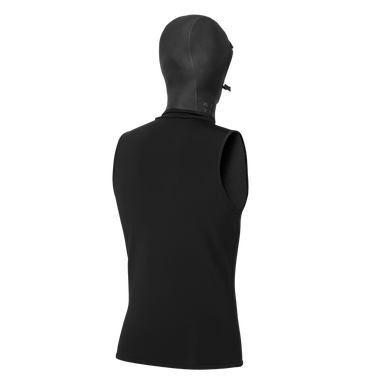
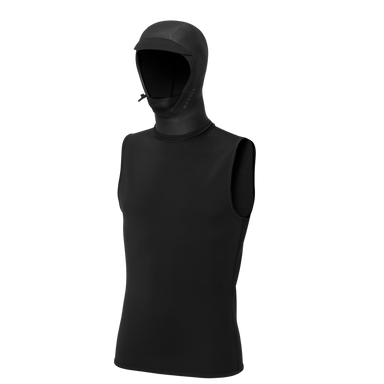
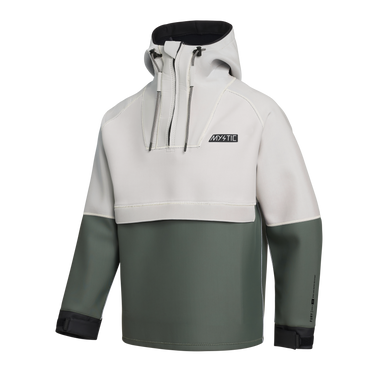
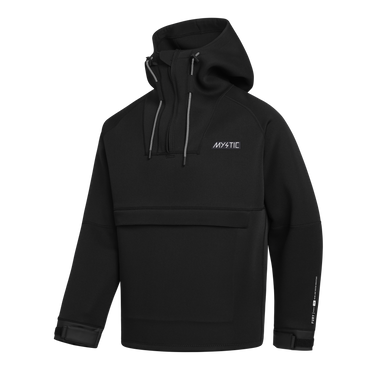
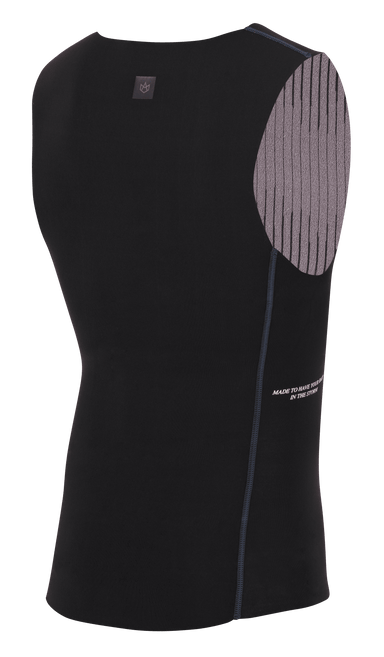
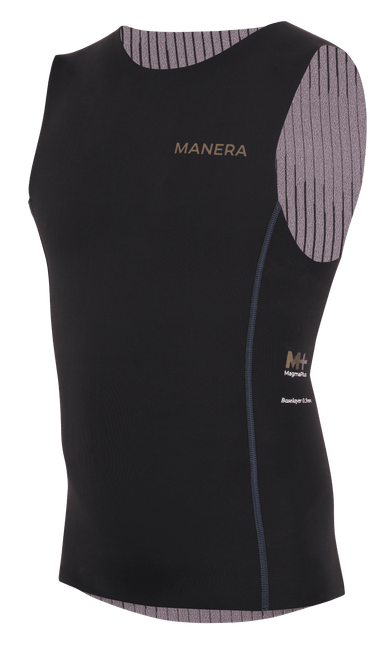
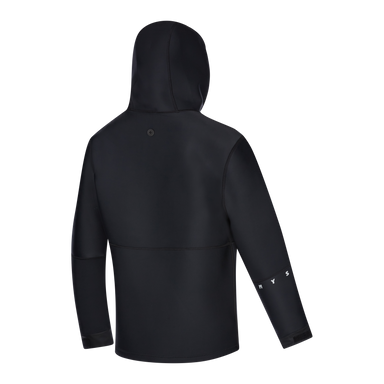
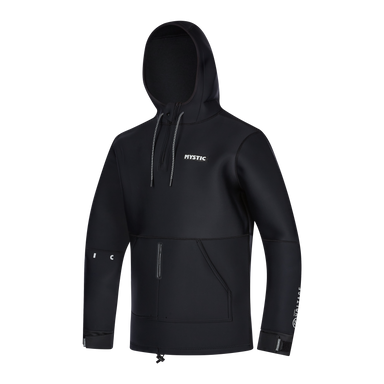
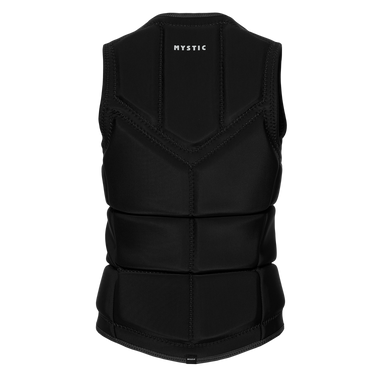
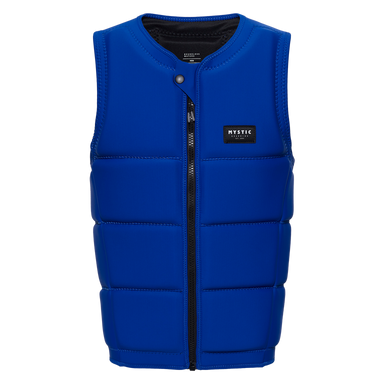
Neoprene tops, vests, and jackets add core warmth and wind protection. Wear them solo in mild water or layer under a wetsuit for extra warmth.

What are rashguards and UV tops used for?

Rashguards and UV tops prevent chafing and provide sun protection. They also work as a smooth base layer under a wetsuit.

When do I need wetsuit boots, gloves, and a hood?

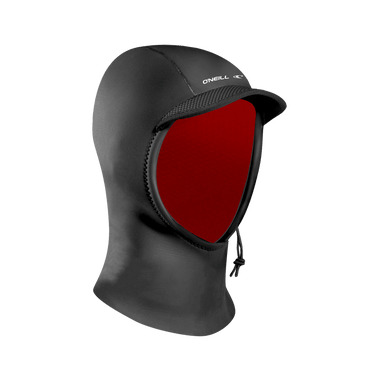
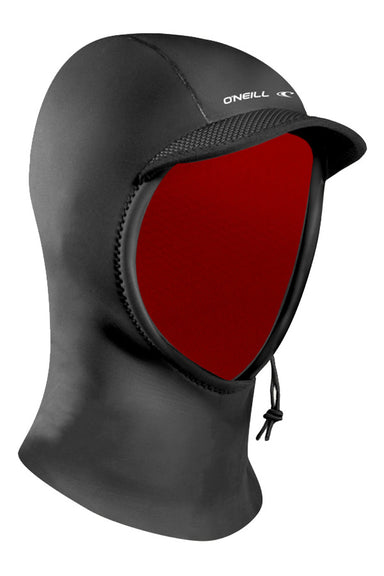
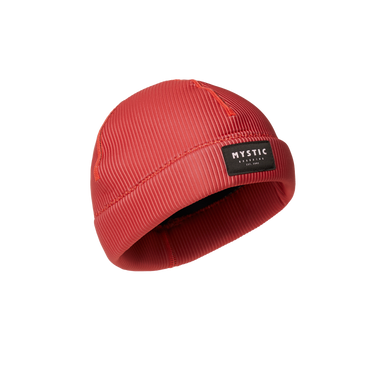
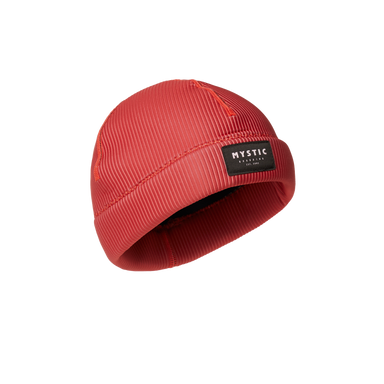
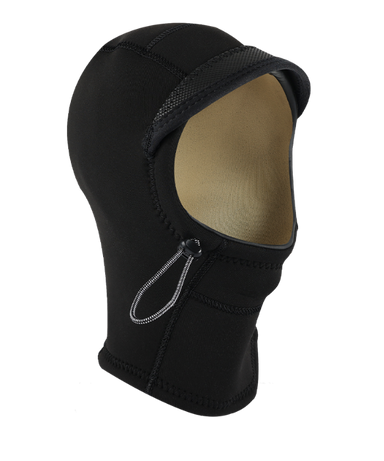
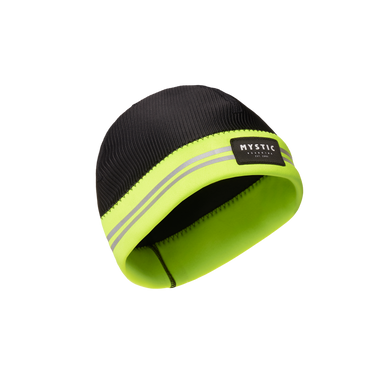
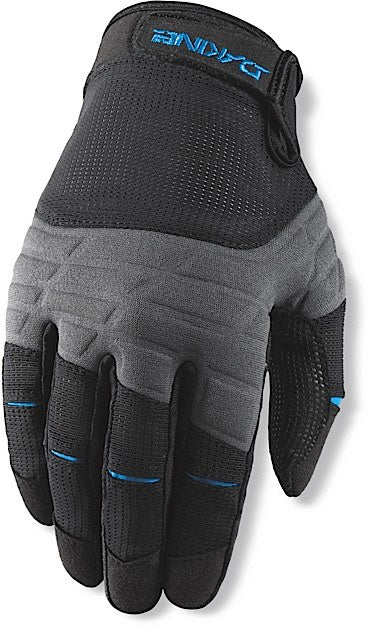
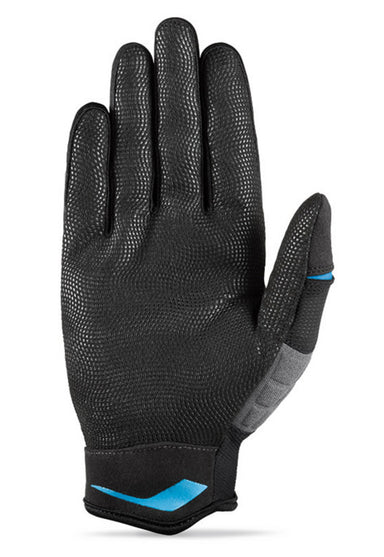
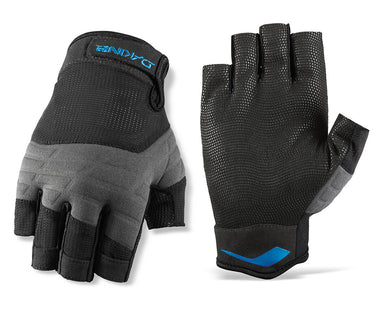
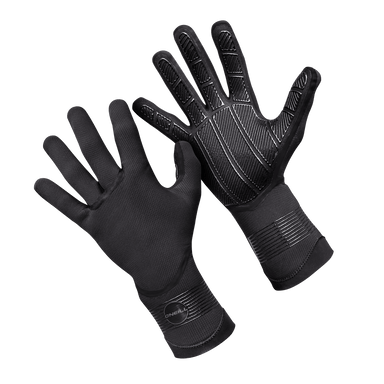
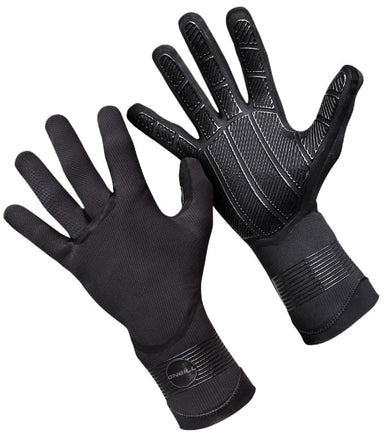
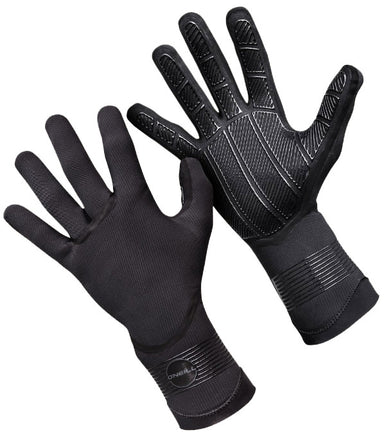
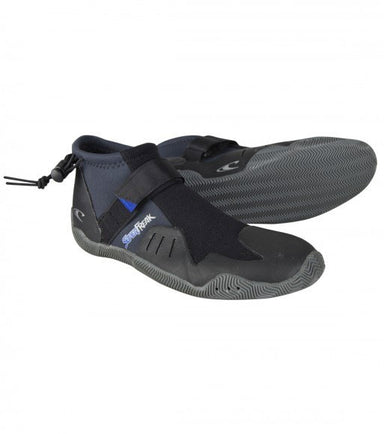
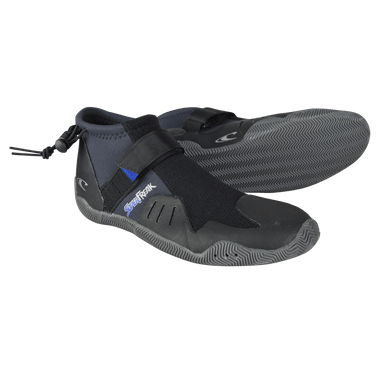
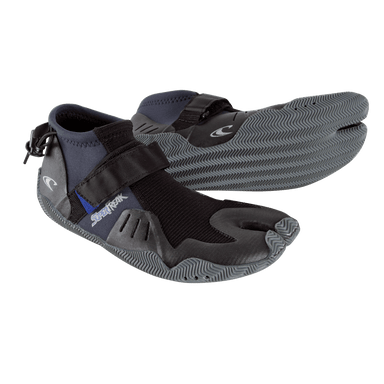
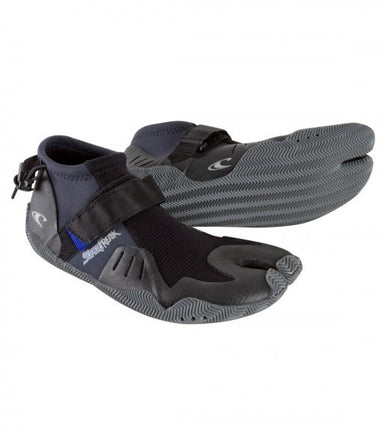
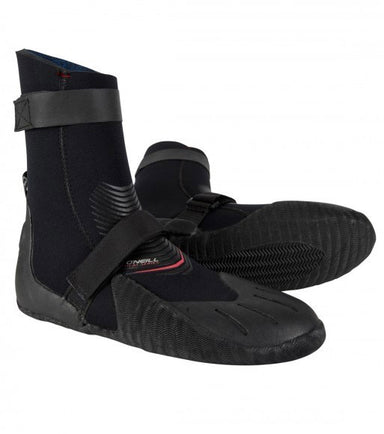
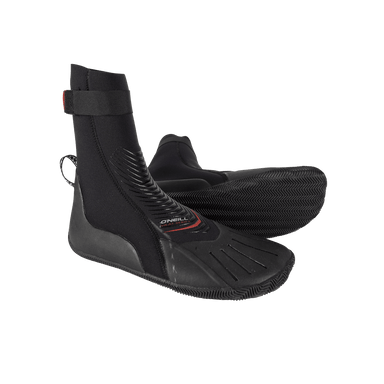
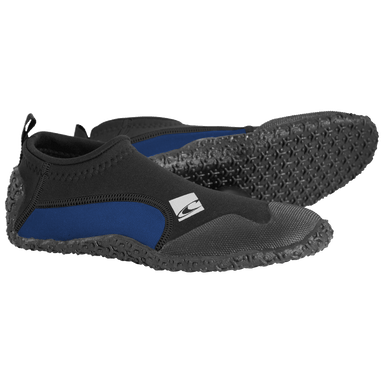
Add neoprene boots for warmth + grip, gloves for hand protection, and a hood to reduce heat loss in cold water and wind.

How should a wetsuit fit?

Snug with minimal wrinkles and no major gaps at the neck, wrists, or ankles. You should move and breathe comfortably; it usually relaxes slightly once wet.

What wetsuit seams are best for cold water?

Warm water: flatlock seams. Cold water: GBS (glued & blind-stitched) seams, ideally with internal taping or sealed seams to reduce flushing.

Back zip vs chest zip wetsuit: which is better?

Back zip = easiest entry. Chest zip/zipperless = better seal and less flushing, often preferred for cold-water surfing and wing foiling.

Can I use the same wetsuit for surfing, wing foiling, and kiteboarding?

Yes — choose thickness by water temperature and use the same wetsuit for surfing, wing foiling, kiteboarding, windsurfing, and SUP. Add boots, gloves, a hood, or neoprene layers as needed.

How do I reduce flushing in a wetsuit?

Pick a snug fit, consider chest zip or hooded designs for cold water, and use boots/gloves/hood to seal heat loss points. GBS + taped seams also help limit water entry.

What wetsuit thickness is best for the Pacific Northwest?

Many PNW riders use a 4/3mm wetsuit in milder seasons and a 5/4mm–6/5mm hooded wetsuit in winter. Add boots, gloves, and a hood as water temps drop.

How do I care for a wetsuit so it lasts longer?

Rinse with fresh water, dry in the shade (inside-out), avoid heat and dryers, and store on a wide hanger or folded. Good wetsuit care keeps neoprene warm and flexible longer.

Picking the right wetsuit comes down to water temperature, wind, and how long you stay out. Use this quick guide to match wetsuit thickness and neoprene accessories to your local conditions for surfing, wing foiling, kiteboarding, windsurfing, and SUP.

Why Buy Wetsuits from Windance?

  • Free Shipping on new gear — fast, reliable delivery right to your door
  • No Sales Tax on All Products, helping you save even more on your setup
  • Curated Gear — only brands and models tested and recommended by real riders
  • Fast Fulfillment from our Hood River warehouse
  • Expert Support for choosing the right wing, board, or foil
  • Great Prices and frequent deals on kits and accessories
  • Trusted Since 1984 in wind, foil, and watersports equipment

So Do I Need a Wetsuit?

If you ride in anything cooler than warm tropical water, then yes — a wetsuit makes a huge difference in comfort, safety, and how long you can stay out on the water. A wetsuit keeps your body warm by trapping a thin layer of water between you and the neoprene, which your body naturally heats up. This helps prevent getting cold from wind, splash, or long sessions in cooler temperatures.

Even in mild weather, many riders choose wetsuits for extra buoyancy, protection from falls, and sun coverage. The right thickness depends on your local water temperature and the sport you’re doing.

At Windance, we carry full suits, spring suits, neoprene tops, boots, gloves, and hoods—everything you need to stay warm and ride longer. Whether you’re surfing, wing foiling, kiteboarding, or windsurfing, we can help you choose the best wetsuit for your conditions.

Get Ready to Ride in the Best Wetsuits from Windance

Whether you’re buying your first wetsuit or upgrading to a warmer, higher-performance suit, Windance has you covered. Shop the best men’s, women’s, and kids’ wetsuits, plus cold-water wetsuits, wetsuit boots, gloves, hoods, and neoprene tops—all curated for surfing, wing foiling, kiteboarding, windsurfing, and SUP. Explore our full wetsuit collection today or contact our expert team for